Seven leaf-peeping hotspots in the Chesapeake Bay watershed
October 21, 2026Vibrant fall colors light up the Chesapeake
Read story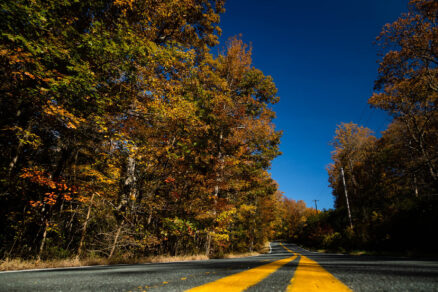

Our regional partnership guides the restoration and protection of the nation’s largest estuary.
Learn more about usVibrant fall colors light up the Chesapeake
Read story
How tropical storms and multi-year droughts have affected water quality scores
Read story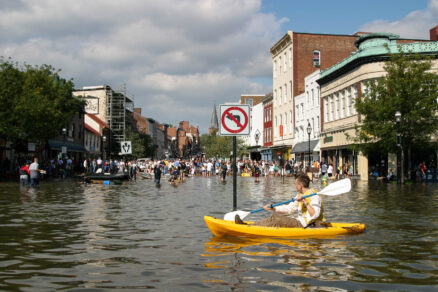
No bug is safe around these native plants
Read story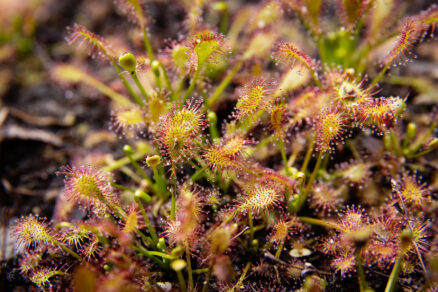
 Thriving Habitat, Fisheries & Wildlife
 Clean Water
 Healthy Landscapes
 Engaged Communities
Our partnership is guided by the Chesapeake Bay Watershed Agreement: a collaborative commitment to restore, conserve and protect the Bay, its tributaries and the lands that surround them.
Learn more about the latest agreementThousands of creeks, streams and rivers deliver fresh water to the Bay from a region that spans 64,000 square miles.
Learn more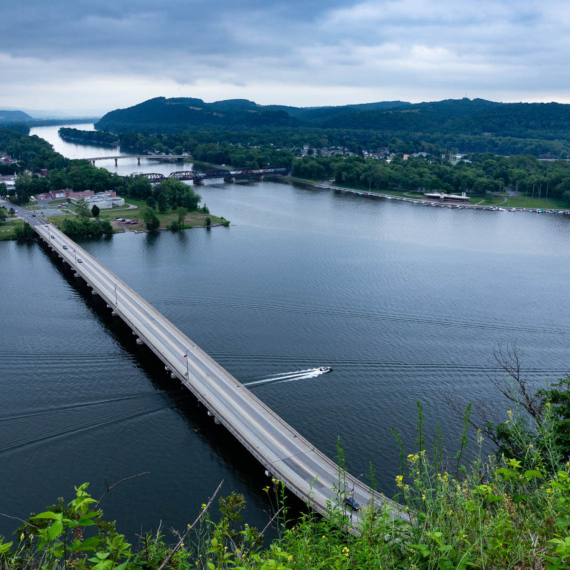
A balanced food web supports a productive ecosystem, as energy flows from the Bay's plants to its predators.
Learn more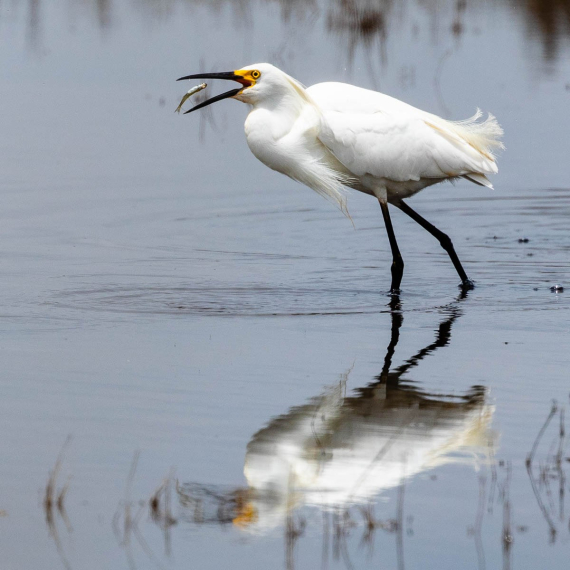
Complex problems face the Bay, its watershed and the plants, animals and people that live here.
Learn more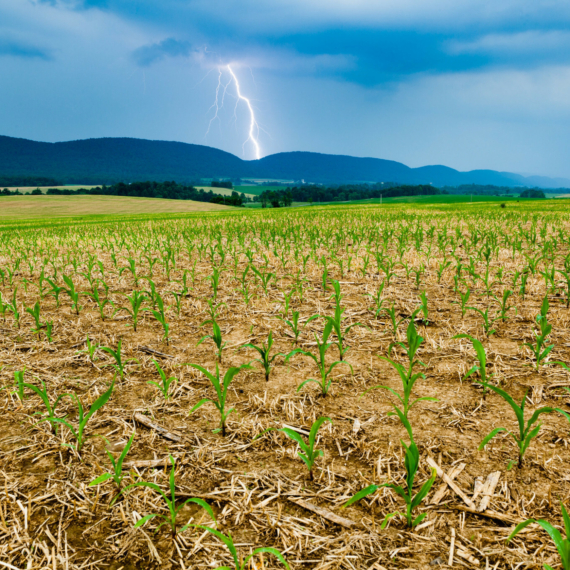
From trivia about its geography to facts about its flora and fauna, the Bay has a lot to teach us.
Learn more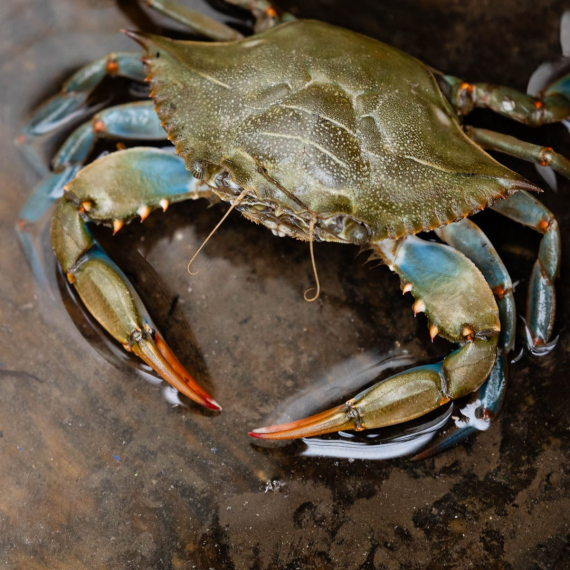
Explore the Field Guide to learn about more than 300 species of birds, fish, insects, invertebrates, mammals, plants, reptiles and amphibians that live in the Chesapeake Bay region.
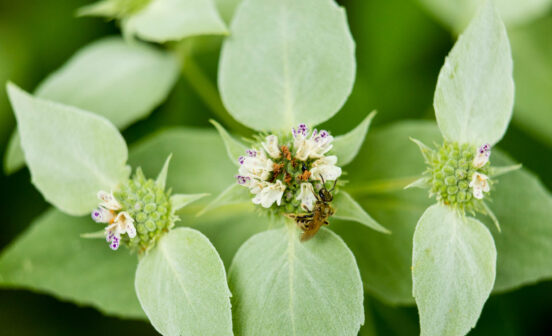
Visit the field guideMountain mint is native perennial that blooms from mid to late summer. It’s considered one of the most ecologically valuable native plants in eastern North America.
View critter